


Key Takeaways:
- Essential Oils Change Over Time, But Do Not Expire Like Food: Essential oils do not spoil in the way perishable products do, but their aromatic character and quality shift gradually through a process called oxidation.
- Shelf Life Varies By Oil Type: Citrus oils and lighter botanicals tend to have shorter windows of peak quality, while heavier resinous and root oils often maintain their character for considerably longer, sometimes becoming more aromatically complex and beautiful.
- Storage Conditions Shape Longevity: How and where you keep your oils has a direct impact on how long they remain at their best. Cool, dark, and sealed are the three conditions that matter most.
You reach for a bottle you haven’t opened in a while, and something seems different. The scent is there, but it has shifted somehow, less vibrant, a little flatter, or sharper at the edges. It is a familiar moment for anyone who has kept a collection of essential oils for any length of time, and it raises a question that deserves a thoughtful answer.
At Essential Oil Wizardry, we think about oil quality at every stage, from sourcing and extraction to how our products are packaged and shipped. Founded by a holistic-minded, retired pharmacist, our approach is grounded in a genuine respect for plant integrity and the belief that quality, once achieved, is worth protecting over time. We want every oil in your collection to be experienced at its best.
In this article, we will address the question of whether essential oils expire, walk through what essential oil shelf life actually means in practice, and share concrete guidance on essential oil storage tips that help preserve your collection for as long as possible.
What Actually Happens When Essential Oils Age
The word “expire” implies a clear endpoint, a date after which something is no longer usable. Essential oils do not work quite that way. They do not spoil, grow mold, or become inert on a specific date. What they do is change over time through a chemical process called oxidation, which gradually alters the aromatic compounds that give each oil its character and presence.
Oxidation occurs when an oil is exposed to oxygen, most often through repeated opening and closing of the bottle, storage in partially filled containers, or exposure to air over time. Heat and light accelerate this process significantly. The result is an oil whose scent profile shifts away from its original character, sometimes becoming sharper, flatter, or acquiring an off note that was not there before.
This is not the same as spoilage. An oxidized oil is simply a changed oil, one that may still have uses but no longer represents the plant at its most expressive. Understanding this distinction helps frame a more honest and useful conversation about essential oil shelf life.
Do Essential Oils Go Bad? A Nuanced Answer
The most accurate answer to whether essential oils go bad is that they change rather than spoil. An oil that has oxidized significantly will smell different from a fresh version of the same oil, and that difference can be quite noticeable to a sensitive nose. Whether a changed oil is still useful depends on the degree of change and the application in mind.
For aromatic practice, diffusion, and perfumery, an oil that has shifted significantly from its original character will simply not perform the way it once did. For those curious about the broader chemistry of how oils are made and how that shapes their longevity, our guide to what are essential oils offers a foundational look at what these preparations actually contain.
What To Expect From Different Oil Families
One of the most useful things to understand about essential oil shelf life is that it is not uniform across all oils. The chemistry of each plant, and the method by which it was extracted, both play a significant role in determining how long an oil is likely to remain at its peak.
Oils With Shorter Windows Of Peak Quality
Citrus oils, including lemon, grapefruit, bergamot, and orange, tend to have shorter shelf lives than most other essential oils. Their high content of monoterpenes, the lightest and most volatile aromatic compounds, means they oxidize relatively quickly. Most citrus oils are at their aromatic best within one to two years of opening, though proper storage can extend this somewhat.
Other lighter oils including many herbs and some florals distilled from delicate plant material also tend to show changes in character more quickly than heavier oils. Keeping these oils in smaller bottles and using them more actively is a simple and practical approach.
Oils That Tend To Last Longer
Heavier resinous oils such as sandalwood, frankincense, myrrh, benzoin, cedar and vetiver are among the most stable in a collection. Their dense, complex aromatic profiles are less vulnerable to rapid oxidation, and many of these oils actually improve with age, developing greater depth and nuance over time. Patchouli is a well-known example of an oil that is frequently described as becoming richer and more rounded as it matures.
CO2 extracts also tend to have good longevity due to their broader constituent profiles and the absence of heat during extraction. Understanding how the extraction method influences stability is part of making more informed choices about your collection. Our comparison of CO2 vs steam distilled oils explores these differences in practical detail.
Essential Oil Storage Tips That Make A Meaningful Difference
Understanding shelf life is useful, but good storage habits are what actually extend it. The principles are straightforward, and once they become habitual, they require very little ongoing effort.
The Three Conditions That Matter Most
Cool temperatures, darkness, and sealed containers are the foundation of good essential oil storage. Heat accelerates oxidation, light degrades aromatic compounds over time, and air exposure introduces oxygen that changes the oil’s chemistry with every opening. Protecting your oils from all three is the single most impactful thing you can do to preserve their quality. Here are the most important storage habits to build into your practice:
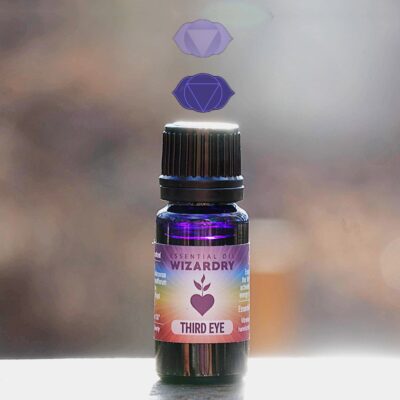
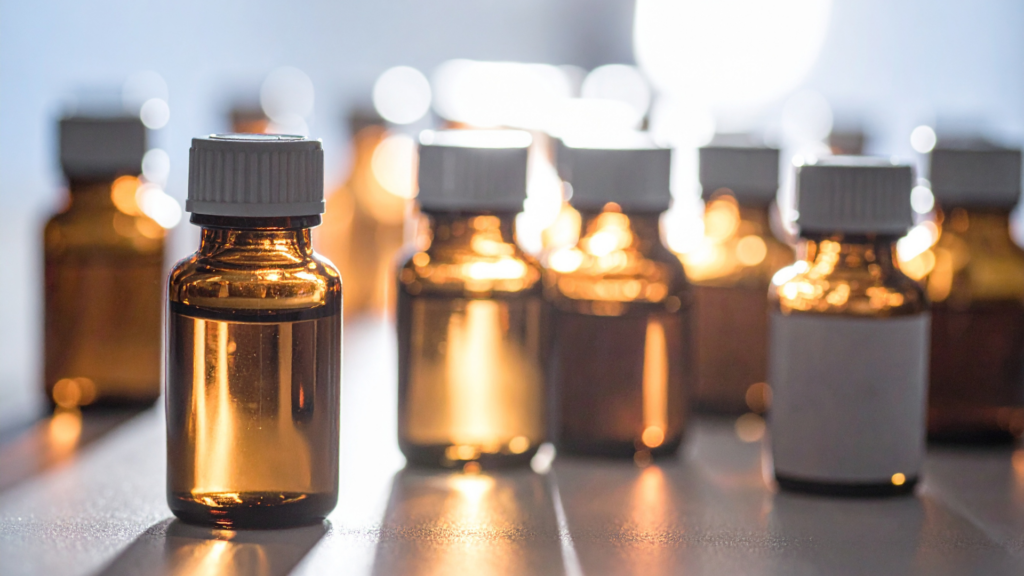
- Keep oils in dark glass bottles, preferably Miron violet, amber or cobalt, away from windows and direct light sources.
- Store your collection in a consistently cool location, such as a drawer, cabinet, or dedicated storage box, rather than on open shelving near heat or light.
- Always replace caps firmly and immediately after use, minimizing the time the bottle is open.
- Transfer oils to smaller bottles as they become half empty, reducing the air space inside the container.
- Label bottles with the date of purchase or opening so you can track how long each oil has been in your collection.
These habits take very little time but make a genuine difference in how long your oils retain their aromatic integrity. More guidance on working with oils day to day can be found in our methods for extracting essential oils resources, which covers how production choices influence quality from the start.
Quality At The Source And What It Means For Longevity
Storage practices matter, but the quality of an oil when it first arrives in your hands sets the ceiling for how good it can be throughout its life. An oil that was grown with care, harvested at the right time, extracted thoughtfully, and packaged properly arrives with a higher baseline of aromatic integrity than one that was produced with less attention at any of these stages.
At Essential Oil Wizardry, more than 95% of what we carry is organic or wildcrafted, unsprayed, and free from pesticide residues. Our organic essential oils reflect a sourcing philosophy built on long-term relationships with distillers, farmers, and wildcrafters who share our commitment to plant integrity. We vibrationally enhance every product using energetic tools, ORMUS, and BioGeometry, because we believe quality extends beyond chemistry alone. Our oils are best used within 2 to 5 years of purchase and stored away from heat, light, and air.
Pro-Tip: Our founder Dr. Nick will utilize the BioGeometry Clearing Tray periodically for his own home essential oil collection, to enhance the aromatic expression of his aging collection. There is no evidence of altering the chemistry using this tool, however, subjectively, people agree that the oil tends to improve aromatically with usage in as little as 60 seconds.
Final Thoughts
Do essential oils expire? They change rather than expire, and understanding that distinction helps you engage with your collection more thoughtfully and intentionally. Essential oil shelf life is not a fixed endpoint but a gradual arc shaped by the oil’s chemistry, how it was made, and how it is cared for once it arrives with you. At Essential Oil Wizardry, we put genuine care into every oil before it reaches your hands. We hope this guide gives you the practical foundation to honor that care, keep your collection fresh, and continue deepening your relationship with the plants that make this practice so meaningful.
Frequently Asked Questions About Whether Essential Oils Expire
Do essential oils actually expire?
Essential oils do not expire in the way food or medicine does. They change over time through oxidation, which gradually alters their aromatic character. An oxidized oil is not necessarily unusable, but it will smell and behave differently from a fresh version of the same oil.
How long do essential oils last once opened?
Most essential oils are at their aromatic best within 2 to 5 years of opening when stored properly. Citrus oils tend to shift in character sooner, often within one to two years, while heavier resinous oils can maintain excellent quality for longer.
How can I tell if an essential oil has gone bad?
The most reliable indicator is your nose. An oil that smells significantly different from when it was fresh, flatter, sharper, or carrying an off note, has likely oxidized noticeably. Visual changes such as unusual cloudiness can also be informative, though scent remains the primary guide.
Does refrigerating essential oils extend their shelf life?
Some people choose to refrigerate lighter oils, particularly citrus oils, to slow oxidation. If you do this, allow the bottle to reach room temperature before opening to avoid condensation inside the container. Refrigeration is not necessary for most oils but can be helpful for those with shorter peak windows.
Which essential oils last the longest?
Heavier resinous and root oils such as frankincense, vetiver, patchouli, myrrh, and sandalwood tend to have the longest shelf lives and can improve with age. CO2 extracts also generally hold their quality well due to their broader constituent profiles.
Which essential oils have the shortest shelf life?
Citrus oils and lighter herbal oils high in monoterpenes tend to have shorter windows of peak aromatic quality. These are best used actively and stored with extra care to slow the oxidation process.
Does the bottle color matter for essential oil storage?
Yes. Dark amber or cobalt glass protects aromatic compounds from ultraviolet light, which accelerates degradation. Clear glass offers no UV protection and is generally not recommended for long-term storage of essential oils.
What is oxidation and why does it matter for essential oils?
Oxidation is a chemical process that occurs when an oil is exposed to oxygen over time. It gradually changes the composition of the oil, altering its scent and overall character. Heat and light both accelerate oxidation, which is why proper storage conditions matter so significantly.
Can I still use an essential oil that has changed in scent?
It depends on how much the scent has changed and what you plan to use the oil for. An oil with subtle shifts may still be enjoyable in diffusion or blending. An oil that smells significantly off or rancid is best retired from regular use.
How does oil quality at purchase affect shelf life?
A high-quality oil that was properly grown, harvested, extracted, and packaged arrives with greater aromatic integrity and is better positioned to maintain its character over time. This is one of many reasons why sourcing from a transparent, quality-focused brand matters throughout the life of your collection.
DISCLAIMER:
The information provided is intended for educational and informational purposes only and reflects historical, cultural, and experiential perspectives. It is not intended to diagnose, treat, cure, or prevent any disease, nor should it be interpreted as medical, legal, or professional advice. Individual experiences may vary. Always use personal discernment and consult a qualified professional when appropriate.