


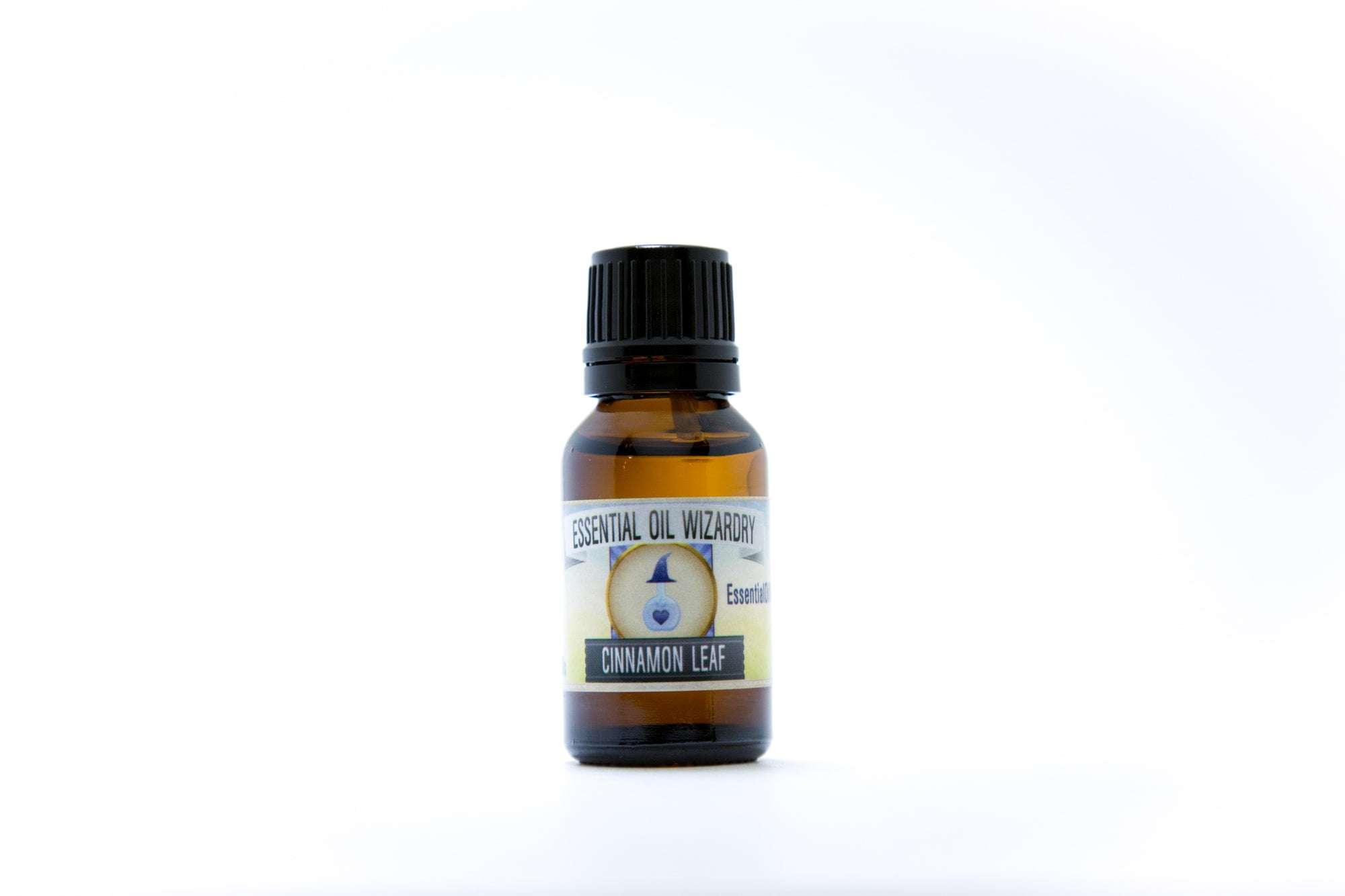
Cinnamon Leaf
$25.00

Hidden
Product Description
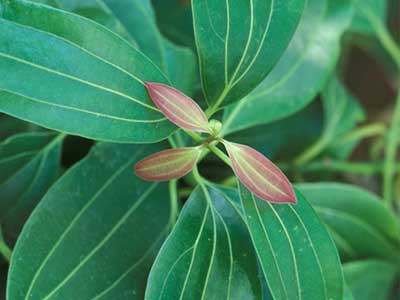
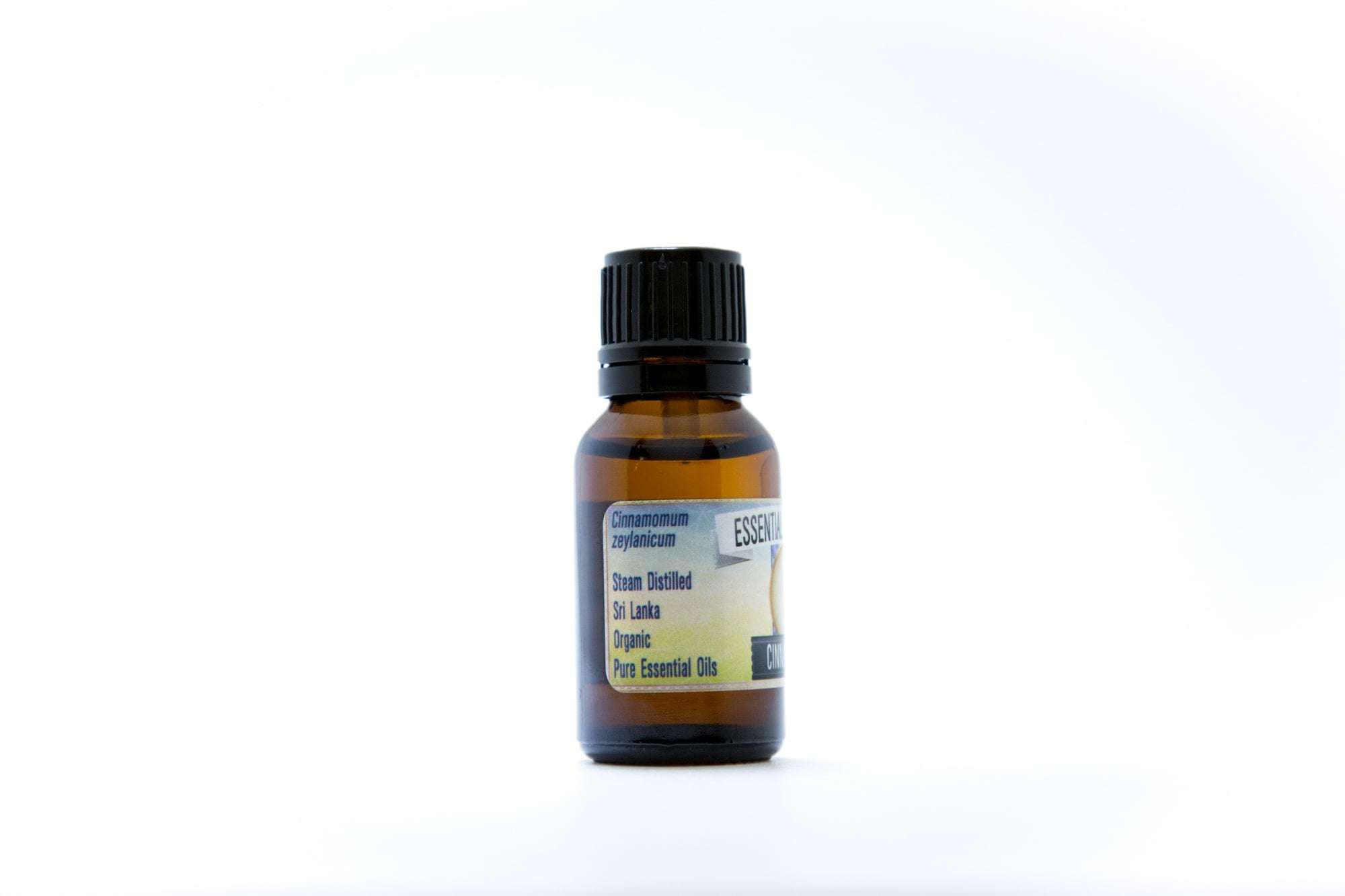
Cinnamon Leaf Essential Oil (Cinnamomum zeylanicum)
Cinnamon Leaf Essential Oil delivers a sweet, uplifting cinnamon fragrance crossed with rich vivacious eugenol ~ creates a spicy solution which should be used carefully. Strong skin irritant! Benefits of Cinnamon Leaf oil may include:
- Anti-inflammatory
- Antimicrobial (Bacterial, Viral, Fungal)
- Antiseptic
- Carminative (Reduces Gas)
- Diaphoretic (Warms body)
- Insecticide
- Promotes digestion
- Stimulant (Cardiovascular, Immune, Mood, Sexual)
Aromatic Scent: Warm, sweet and spicy, cinnamon dominant aroma with a touch of clove & mild anise notes.
How to Use
For use with a trained practitioner or under a physician’s care. Must DILUTE before topical or oral ingestion. Not recommended for topical usage. Can be an interesting additive for aromatic fragrance (be careful on concentration if applied to skin).
Safety Summary
Hazards: Drug interaction; may inhibit blood clotting; may contain safrole; skin sensitization (moderate risk); meucous membrane irritation (low risk).
Cautions (oral): May interact with pethidine, MAOIs or SSRIs. Anticoagulant medication, major surgery, peptic ulcer, hemophilia, other bleeding disorders.
Maximum Adult Daily Oral Dose: 175 mg
Maximum Dermal Use Level (based on potential 1% safrole content):
EU: 1.0%
IFRA: 1.0%
Tisserand & Young: 5.0%
Maximum Dermal Use Level (based on eugenol content):
EU: No legal limit
IFRA: 0.6%
Tisserand & Young: 0.6%
~ Adopted from Tisserand & Young, Essential Oil Safety, 2nd ed. 2013 ~
Blends Well With: Benzoin, Bergamot, Cardamom, Cinnamon Bark, Clove, Coriander, Frankincense, Ginger, Grapefruit, Lemon, Red Mandarin, Sweet Marjoram, Nutmeg, Blood Orange, Peppermint, Peru Balsam, Rose, Star Anise (CO2), Vanilla (CO2), Ylang Ylang
Cultivation: Organic
Country of Origin: Sri-Lanka
Extraction Method: Steam Distilled
Parts of Plant Used: Leaves
Largest Producing Countries: Sri Lanka, India and Madagascar
Constituent Range (Lawrence 1979 p. 29, 1995g p. 148, p. 201)
Eugenol (68.6 - 87.0%)
Eugenol acetate (1.0 - 8.1%)
Linalool (2.0 - 5.0 %)
(E)-Cinnamyl acetate (0.8 - 4.6%)
Benzyl benzoate (tr - 4.1%)
β-Caryophyllene (1.9 - 3.7%)
(E)-Cinnamaldehyde (0.6 - 1.1%)
Safrole (0 - 1.0%)
Cinnamyl alcohol (0 – 0.6%)
This information was documented by Lawrence 1979 p. 29, 1995g p. 148, p. 201 published by Robert Tisserand & Rodney Young in 2013 and is posted to demonstrate some general range of chemical constituents of this essential oil. Each distillation & plant source varies and current batch will likely have some variance to the information published above.
References
Devi KP, Sakthivel R, Nisha SA, Suganthy N, Pandian SK, Eugenol alters the integrity of cell membrane and acts against the nosocomial pathogen Proteus Mirabilis. Arch Parm Res. 2013 Mar;36(3):282-92.
Juglal S, Govinden R, Odhav B, Spice oils for the control of co-occurring mycotoxin-producing fungi. J Food Prot. 2002 April;65(4):683-7.
Lawless, J. The Encyclopedia of Essential Oils, San Francisco: Conari Press, 2013
Todd J, Friedman M, Patel J, Jaroni D, Ravishankar S, The antimicrobial effects of cinnamon leaf oil against multi-drug resistant Salmonella Newport on organic leafy greens. Int. J Food Microbiol. 2013 Aug 16;166(1):193-9
Sartorius T. et. al., Cinnamon extract improves insulin sensitivity in the brain and lowers liver fat in mouse models of obesity. PLoS One. 2014 Mar 18;9(3)e92358
Singh G, Maurya S, DeLampasona MP, Catalan CA, A comparison of chemical, antioxidant and antimicrobial studies of cinnamon leaf and bark volatile oils, oleoresins and their constituents. Food Chem Toxicol. 2007 Sep;45(9):1650-61.
Dr. Nick's Notes
Dr. Nick Notes
Cinnamon is a very recognizable scent and highly prized since antiquity. Very diverse in its uses from culinary to medicinal. Powerful antiseptic and antimicrobial properties of Cinnamon Leaf are amazing at killing airborne bacteria stopping the spread of infections. Cinnamon has been a part of numerous essential oil blends designed for their anti-microbial properties including well known Thieves Defense and On-Guard. Cinnamon improves your digestion and may heat/stimulate the body to increase low energy levels. Eases stiff joints and muscles with its warming and anti-inflammatory action, though should not be used topically. Eugenol is the main component of Cinnamon leaf oil, giving it more analgesic properties than cinnamon bark oil.
Note: It’s recommended not to use in foods or ingested unless diluted – cinnamon leaf may irritate the oral mucosa. Sensitive individuals should not cook or flavor with this oil and ALWAYS dilute the oil before ingestion. It’s spicy, rich spectrum of notes is a very curious note, alike a tropical blend of cinnamon and clove. This product may be interesting for intermediate aromatic explorers to venture with. An interesting term to research with cinnamon leaf: oilhuasca
FAQs
Our Process
We consciously source all our ingredients from Organic, Wildcrafted and/or Unsprayed (Pesticide-free) farms & distilleries. We then enhance these premium ingredients through our unique proprietary process to bring each of our formulations into their highest expression. You can really smell, feel, sense, and experience the difference!
2 reviews for Cinnamon Leaf
** The information provided on this page is intended for educational and informational purposes only and reflects historical, cultural, and experiential perspectives. This product has not been evaluated or approved by the U.S. Food and Drug Administration and is not intended to diagnose, treat, cure, or prevent any disease. Individual experiences may vary. Always use personal discernment and consult a qualified healthcare professional when appropriate, especially if you are pregnant, nursing, taking medication, or have a medical condition.
Carole R. (Essential Oil Wizardry) –
Another excellent essential oil for sore muscles and joints. The smell isn’t quite as strong as the cinnamon bark. It’s very warming without burning.
James Herron (Essential Oil Wizardry) –