



Key Takeaways
- Two Very Different Plants: Kava and kratom come from different botanical families, different cultural traditions, and produce distinctly different effects. Knowing these differences is essential before working with either.
- Kava Has A Longer History Of Communal, Ceremonial Use: Kava benefits are rooted in Pacific Island traditions where the plant has been used in community and ceremony for centuries.
- Personal Discernment And Research Matter: Both plants deserve careful research and personal attentiveness. Neither should be approached casually or without a clear understanding of what each one is.
Plant medicine draws curious hearts from many paths. Sometimes we arrive through ancient traditions, and other times through comparing two plants that seem to share the same space but feel entirely different. Kava and kratom are a beautiful example. While both carry deep histories of traditional use and often pop up in the same conversations, they bloom from completely different botanical families, distinct cultures, and inner landscapes.
At Essential Oil Wizardry, we carry kava because we respect its long ceremonial lineage and believe it has genuine value when approached with care and intention. Our work is guided by a holistic-minded and retired pharmacist’s deep respect for botanical integrity. More than 95% of what we carry is organic or wildcrafted, unsprayed, and free from pesticide residues.
In this article, we will compare kava vs kratom across their origins, kava effects and kratom effects, their traditional contexts, and how to decide which, if either, belongs in your practice.
Where Each Plant Comes From And What It Is
Kava and kratom are not related botanically. They grow in different parts of the world, belong to different plant families, and have very different chemical profiles. Starting with these fundamental distinctions is the most reliable way to cut through the confusion that surrounds both plants in popular wellness conversation.
Kava, known botanically as Piper methysticum, is a root plant native to the Pacific Islands, including Fiji, Vanuatu, Tonga, and Hawaii. It has been central to ceremonial, social, and spiritual life across these cultures for centuries. Traditional kava preparation involves grinding or pounding the root and mixing it with water to produce a cloudy, earthy-tasting drink shared communally.
For a deeper look at the plant’s character and traditional context, our guide on kava kava benefits covers its history and experiential qualities in thoughtful detail.
What Kratom Is And Where It Differs
Kratom, known botanically as Mitragyna speciosa, is a tree native to Southeast Asia, particularly Thailand, Malaysia, and Indonesia. Its leaves have been used in traditional contexts in these regions, often chewed fresh or brewed into tea by laborers for sustained energy during long working days. Kratom’s active compounds interact with the body’s opioid receptors, while kavalactones engage with the body’s GABA receptors – this is the most significant pharmacological difference between the two plants. This distinction carries meaningful implications for how each plant affects the body and what considerations apply to their use.
Kava Effects And Kratom Effects: A Side By Side Look
Understanding how each plant affects the body and mind is central to making an informed choice between them. The experiential differences are significant and reflect the underlying differences in their chemistry.
Kava Effects: Calm, Social, And Grounding
Kava effects are most commonly described as a gentle, full-body relaxation accompanied by a sense of mental clarity and social ease. Unlike alcohol, which blunts cognitive function, kava tends to support a calm, present, and socially open state without impairing the mind. Many people describe a pleasant warmth that begins in the mouth and spreads gradually through the body.
Kava for anxiety is one of the most frequently cited contemporary uses. Its traditionally calming, tension-softening character makes it a natural companion for those seeking a gentler quality of ease in social or stressful situations. Our article on kava benefits explores these qualities and their traditional context in more depth.
Kratom Effects: More Variable And Dose-Dependent
Kratom effects are considerably more variable than kava’s and depend heavily on the dose and the specific strain used. At lower doses, kratom is often described as stimulating and focus-enhancing. At higher doses, it produces a more sedating, opioid-like effect. This dose-dependency makes kratom significantly more complex to work with than kava and carries a higher potential for dependence with regular use. Regulatory agencies in several countries have restricted or banned kratom, reflecting ongoing concerns about its safety profile.
Choosing Between Kava And Kratom: What To Consider
For most people exploring plant-based options for ease, calm, or social relaxation, kava is the more straightforward and better-understood choice. Its long ceremonial history, relatively consistent effects, and lower risk profile make it a plant that rewards intentional engagement without the complexity that surrounds kratom.
Here are a few questions worth sitting with before making a decision:
- Are you drawn to a plant with deep ceremonial roots and a tradition of communal use?
- Are you primarily seeking a calming, grounding experience rather than stimulation or sedation?
- Are you committed to starting slowly and observing your responses carefully over time?
- Have you researched the current regulatory status of each plant in your region?
- Are you prepared to source from a brand whose sourcing standards and integrity you trust?
If kava feels like the right fit, our Kava Extract and Kava Tincture reflect the same sourcing integrity and vibrational enhancement we bring to everything we carry. Starting with a tincture is a practical and precise way to build familiarity with the plant’s character before moving to other formats.
Dr. Nick’s Personal Experience
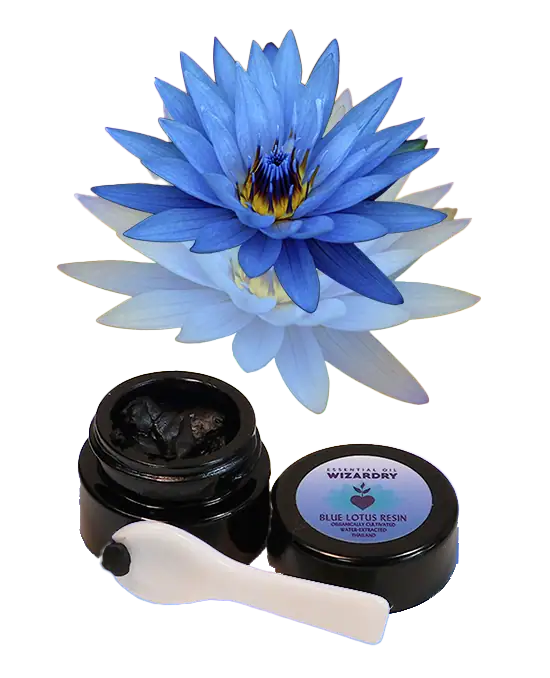
Our founder Dr. Nick has built relationships with both kava & kratom. He’s had experience with working with both plants as often as a few times a week, and has also had periods as long as several months without each of these allies. Kava is more graceful to work with, and he has never noted a personal dependency with. Kava yields a nice smooth body euphoria while having a nice head buzz that is still functional. Nick finds that when using kava, he’s best equipped for chilling, in a flow-state, or performing non-linear / non-mental tasks. Kava combines well with many botanicals, such as Kanna, Damiana, Blue Lotus. Nick will typically enjoy the pure CO2 Kava paste, or EOW’s Kava Euphoria for uplifting/stimulating kava party vibes.
Dr. Nick finds kratom to be a great ally for creativity, dancing and invoking energy at longer events when he is tired. His sweet spot is about 1-2 times a week of usage (max), where his current usage is about monthly. Kratom can get more sticky when used 2-3 days in a row, and typically can invite more of a craving if used repeatedly. Nick tends to avoid taking kratom if he has a lowered mood, as this can decrease the baseline on day 2, leading to a negative spiral. When enjoyed socially on special occasions (1-2 week) or used for moderate issues of acute injury & pain, kratom can be a responsibly used botanical ally.
With all this personal experience, Dr. Nick does not advocate for everybody building a relationship with Kratom – it can be more sticky, and individuals can become dependent on it. Everyone is different, and each one must listen to their body, higher will, intuition and take actions responsibly! Kava can be a great ally for integration for most individuals, as long as there is not an overly damaged liver function. Both plants should probably be avoided during pregnancy!

Final Thoughts
Kava and kratom each hold unique histories and spirits worth exploring before choosing to sit with them. While both are welcomed for their relaxing qualities, their paths soon diverge. Kava brings a long ceremonial lineage, steady steps, and a beautifully grounding safety profile that sets it apart from kratom’s more intense and shifting character. We embrace kava because we believe its genuine wisdom has so much to offer those who approach it with an open heart, patience, and deep respect for its roots.
Frequently Asked Questions About Kava Vs Kratom
What is the main difference between kava and kratom?
Kava is a Pacific Island root plant with a long ceremonial history and calming, socially grounding effects. Kratom is a Southeast Asian tree leaf with dose-dependent effects ranging from stimulating to sedating, and a more complex safety and regulatory profile.
Is kava safer than kratom?
Kava has a longer and better-documented history of traditional use, and its effects are generally more predictable and consistent than kratom’s. That said, both plants deserve careful research and personal discernment. Consulting a qualified practitioner is always recommended before working with either.
What are kava effects most commonly described as?
Kava effects are typically described as a gentle, full-body relaxation with mental clarity and social ease. Many people also notice a pleasant warmth that begins in the mouth and spreads gradually through the body.
Can kava be used for anxiety?
Kava for anxiety is one of the most frequently cited contemporary uses of the plant, reflecting its traditionally calming and tension-softening character. It is best approached as a supportive companion rather than a treatment, with professional guidance for personalized advice.
What is a kava tincture and how is it used?
A kava tincture is a liquid extract of the kava root that delivers the plant’s active kavalactones in a precise, easy-to-dose form. A ¼ dropper to ½ dropper taken under the tongue is a common starting approach for those new to kava.
Is kratom legal?
Kratom’s legal status varies significantly by country and region. Several countries and some states in the United States have restricted or banned it due to safety concerns. Researching the current legal status in your specific location before purchasing or using kratom is essential.
DISCLAIMER:
The information provided is intended for educational and informational purposes only and reflects historical, cultural, and experiential perspectives. It is not intended to diagnose, treat, cure, or prevent any disease, nor should it be interpreted as medical, legal, or professional advice. Individual experiences may vary. Always use personal discernment and consult a qualified professional when appropriate.
Sources:
- Lebot, V., Merlin, M., & Lindstrom, L. (1992). Kava: The Pacific Elixir. Healing Arts Press.
- Tisserand, R., & Young, R. (2014). Essential Oil Safety: A Guide for Health Care Professionals (2nd ed.). Churchill Livingstone.
- National Center for Complementary and Integrative Health. (n.d.). Kava. Retrieved from https://www.nccih.nih.gov/health/kava