


Key Takeaways
- Less Is More With Blue Lotus: Blue lotus is a plant that responds best to patience. Starting with small amounts and building awareness over time is the smartest way to work with it.
- Format Shapes The Experience: Blue lotus tea, tincture, and resin each carry the plant’s character differently, and the right amount varies depending on which preparation you’re working with.
- Context And Intention Matter: How, when, and why you use blue lotus shapes what you notice. Setting and mindset are part of every meaningful plant practice.
Blue lotus is a plant that invites attentiveness, asking you to slow down and meet it on its own terms. That quality carries directly into how it is best approached in terms of dosing: gradually, curiously, and with respect for the experience unfolding at its own pace.
At Essential Oil Wizardry, we believe working with plants mindfully begins with understanding them. Founded by a holistic-minded, retired pharmacist, our approach honors traditional plant wisdom and the principle that the body holds its own intelligence for balance. With that in mind, more than 95% of what we carry is organic or wildcrafted and always free from pesticides.
In this article, we will discuss blue lotus dosing across each major format to help you build a practice that is both informed and deliberate.
Why A Measured Approach Matters With Blue Lotus
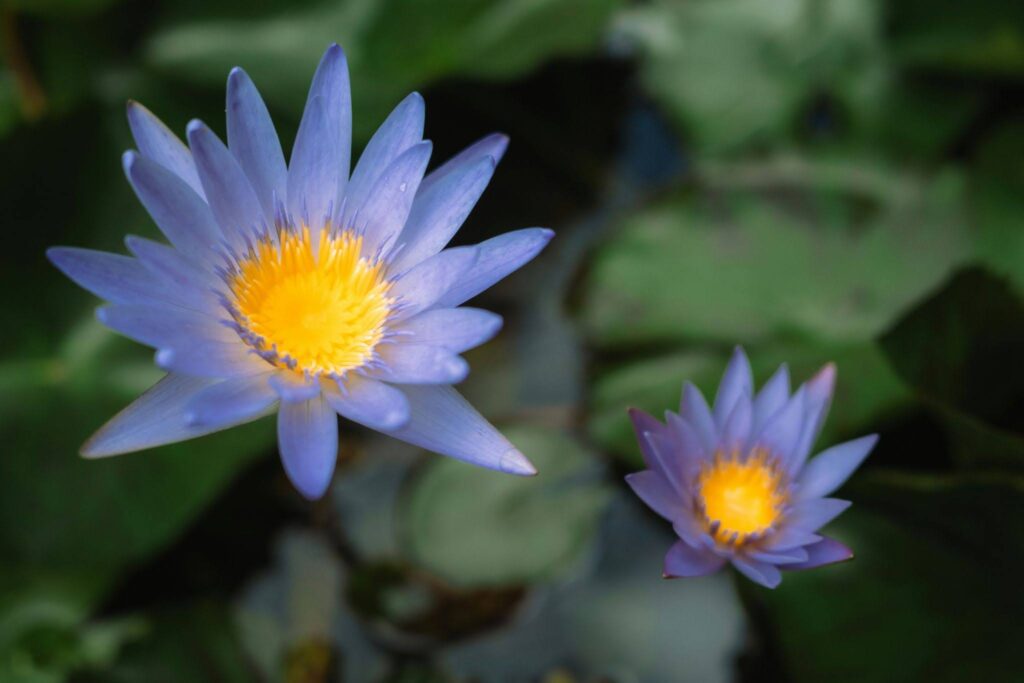
Known botanically as Nymphaea caerulea, blue lotus has long held a symbolic role in ritual, art, and spiritual practice. That said, blue lotus is not a plant to rush. Its gentle, unfolding presence means that less is more, and the quality of an experience often has as much to do with context as with quantity.
Potential Blue Lotus Effects
Throughout its history, blue lotus was approached not as a tool for control but as a companion. Ultimately, it helped shape the quality of attention brought to ritual space. The plant was valued for the texture it lent to ceremony, namely a sense of openness, of slowing down, and of becoming more available to the present moment. Some cultures may have combined other sacred botanical elements to craft profound experience to unlock blue lotus wisdom.
That spirit carries forward into how people work with it today. Those drawn to this magical aquatic flower often pair it with other ritual elements oriented toward the same quality of awareness, such as meditation or journaling. Generally speaking, blue lotus effects are typically described in subtle, experiential terms, such as a softening of mental activity, a deepening of sensory perception, or a sense of ease. These tend to unfold gradually over 20 to 45 minutes.
Factors That Influence Your Experience
Blue lotus is sensitive to context in a way that rewards attentiveness. The same preparation can feel noticeably different depending on the time of day, what you have eaten, your state of mind, and where you are in your own constitution. This variability is part of what makes working with it an ongoing practice of observation rather than a formula to follow, and why starting with less, noting what you notice, and adjusting from there is always the more grounded approach.
Blue Lotus Tea Dosing: The Gentlest Entry Point
Blue lotus tea is the most forgiving format for beginners. One to two grams of dried blue lotus flower steeped in hot water for five to ten minutes produces a lightly floral, mildly sweet infusion. Those who find the initial experience too subtle may gradually increase to three grams, though many find one to two grams entirely sufficient.
Evening is the most popular time for blue lotus tea, given its traditionally calming quality. Two to four times per week supports a thoughtful practice without habituating too quickly. For broader guidance, our post on how to use blue lotus is a helpful companion read.
Blue Lotus Tincture And Resin: Concentrated Formats
As preparations become more powerful, starting small becomes even more important. Both blue lotus tincture and resin offer a more potent expression of the plant and reward an especially measured approach.
Blue Lotus Tincture: The Convenient Pick
Tinctures are valued for their ease of use and the precision they allow, as they’re easy to adjust and travel-friendly. One to three drops of our Blue Lotus Tincture taken on or under the tongue, added to warm water, or stirred into wine or herbal tea, is a great starting point. The experience tends to build quietly, so allow it a full hour to arrive before considering any adjustment.
Beyond ingestion, the tincture opens up other dimensions of use. A single drop anointed to the crown for energetic attunement, instilled around the auric field, dabbed onto incense, or infused into a room mister are all approaches Dr. Nick recommends and uses himself. It is also exceptional in botanical perfumery. Rest assured, this tincture is crafted with the same sourcing integrity we bring to everything in our collection, and it is especially well-suited to meditation, third eye work, and any practice oriented toward deeper presence.
Blue Lotus Resin: Ceremonial And Worth Treasuring
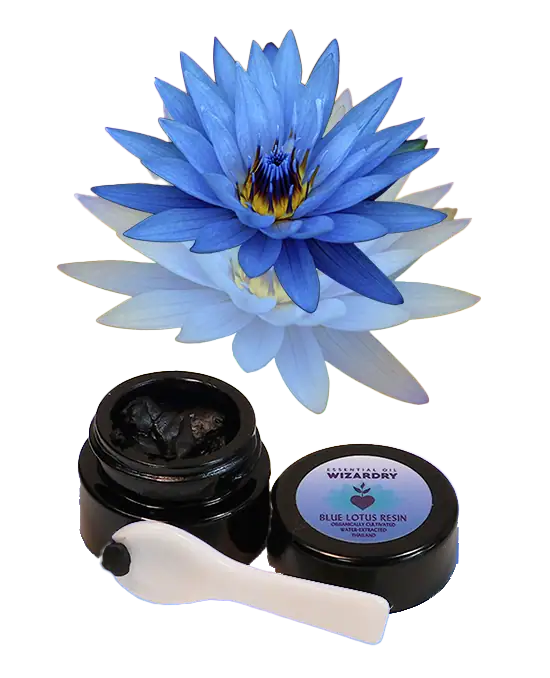
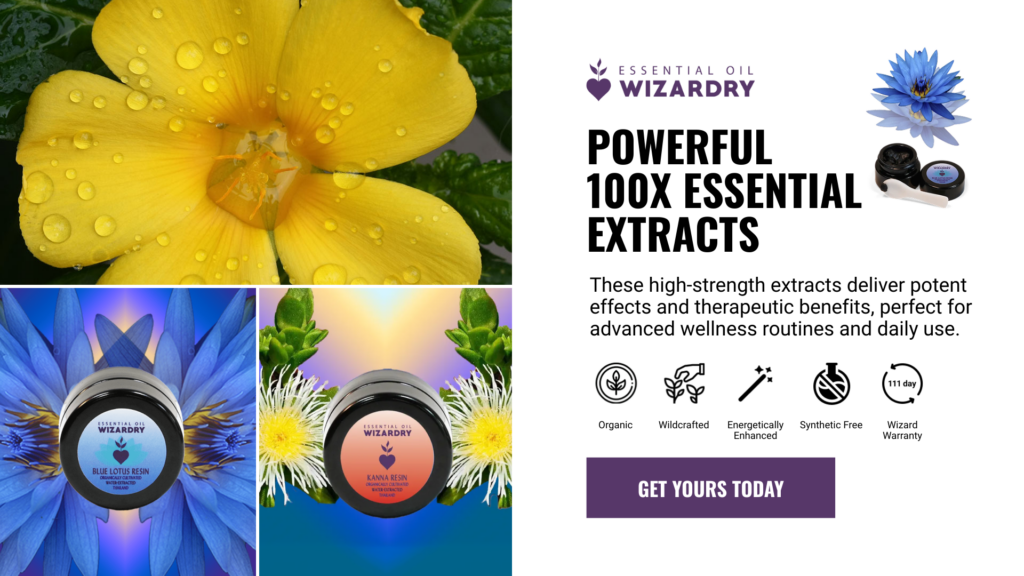
Blue lotus resin is the most concentrated preparation and deserves to be approached accordingly. Each gram of our Blue Lotus Resin contains approximately 100 grams of organically grown Thai blue lotus flowers, concentrated through a slow water extraction process, which is why it is also referred to as a 100x Extract. A rice grain-sized amount dissolved in warm water, tea, wine, or spirits is the right place to begin. Its flavor ranges from pleasantly sweet to more medicinal depending on the batch, so meeting it with curiosity and an open mind is part of the fun.
Dr. Nick describes the experience as unifying and centering, a stilling of the mind and a deepening sense of connection. Overall, for dosing, we recommend starting low and going slow. This particular format is primarily intended for ingestion. It’s also not recommended to combine the resin with other oils or extracts to fully experience the expansive nature of blue lotus (Nymphaea caerulea). You can always experiment combining botanicals later as your blue lotus relationship deepens & your inner knowing guides you.
Building A Sustainable Blue Lotus Practice
Blue lotus dosing is a living inquiry that develops as your relationship with the plant deepens. Your ideal dosing foundation is built through repetition, observation, and a willingness to let each session inform the next rather than chasing a particular outcome. Here are a few principles worth carrying forward:
- Start Lower Than You Think You Need To: The absorption window varies by format, so give each preparation time to settle in before deciding it hasn’t worked.
- Keep A Record: Write down the format you used, the amount, and what you noticed. Over time, patterns emerge that no general guideline could have told you in advance.
- Rest Between Sessions: Familiarity takes time, and spacing allows you to bring fresh perception to each encounter rather than layering one experience on top of another.
- Let Intention And Setting Carry Equal Weight: The atmosphere of your space, the quality of your attention, and what you bring to the ritual are as formative as anything in the bottle.
The most productive thing you can bring to plant practice is patience. Not passive waiting, but the active kind that stays curious and keeps showing up.
Final Thoughts
Ultimately, blue lotus rewards those who take their time with it. This is a plant with a long memory. It has been worked with across thousands of years of human ceremony, devotion, and inner inquiry, and that lineage carries something worth honoring. The way you approach it shapes the experience as much as any preparation or dosage ever could.
Whatever drew you here, whether it’s curiosity about Mother Nature, a meditation practice you want to enhance, or a desire to work more intentionally with botanicals, blue lotus has a way of meeting that intention honestly. Give it time. Give it space. And let the relationship develop at its own pace.
Frequently Asked Questions About Blue Lotus Dosing
What is the right dose of blue lotus for a beginner?
One to two grams of dried flower for tea, 1-3 drops for tincture, or a rice-sized amount of resin is a sensible starting point. Always begin at the lower end and observe before adjusting.
How long does it take for blue lotus to take effect?
Effects typically unfold within as little as 5 to 15 minutes, depending on format and individual sensitivity. Tea tends to take longer than tincture or resin.
Can I combine different blue lotus formats?
Combining concentrated formats is not recommended, particularly for beginners. Work with one format at a time to develop a clearer sense of how blue lotus affects you individually. Get to know each expression of blue lotus fully before combining different formats or adding in other botanicals.
How often can I use blue lotus?
Two to four times per week often supports attentiveness. More or less may be warranted with the intention and cultivation of a relationship.
Does blue lotus quality affect dosing?
Yes. A high-quality preparation tends to be more consistent, meaning the same amount may produce a noticeably different experience than a lower-quality alternative. Many blue lotus products on the market are adulterated and may not even contain blue lotus!
What if I notice very little from blue lotus?
Consider adjusting the context, your level of relaxation, or the time of day before increasing the amount. Blue lotus is subtle by nature, and a quiet experience is entirely feasible.
DISCLAIMER:
The information provided is intended for educational and informational purposes only and reflects historical, cultural, and experiential perspectives. It is not intended to diagnose, treat, cure, or prevent any disease, nor should it be interpreted as medical, legal, or professional advice. Individual experiences may vary. Always use personal discernment and consult a qualified professional when appropriate.