


Myrrh is one of the oldest aromatic resins known to humanity. Long before it was traded across ancient routes or burned in temple ceremonies, it was simply a wound in a tree, weeping golden resin into dry air. That resin carried extraordinary preservative, aromatic, and skin-supportive qualities that humans recognized early and have never stopped reaching for.
-
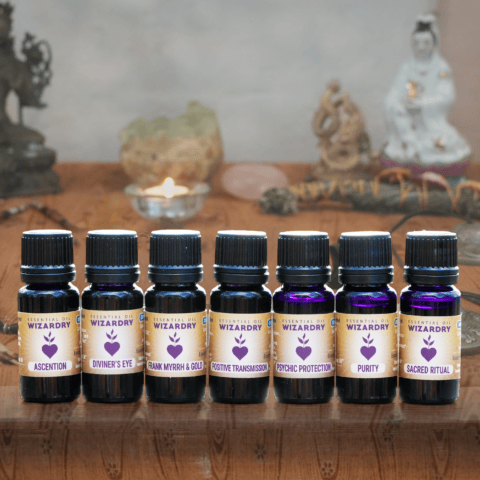
Ceremonial Oil Set
Price range: $177.00 through $333.00 -
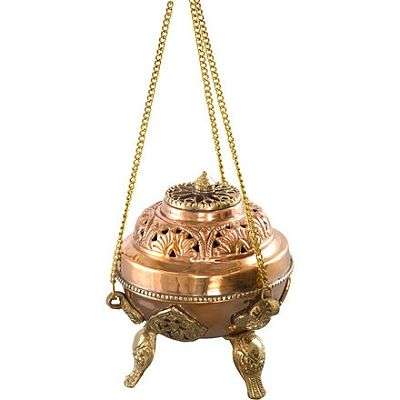
Frank, Myrrh & Gold
Price range: $33.00 through $111.00 -
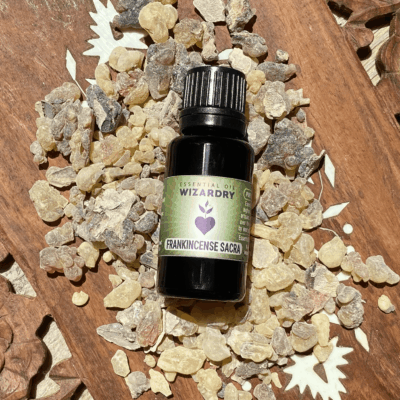
Frankincense Sacra (Royal Frankincense)
Price range: $33.00 through $77.00 -
Opoponax
Price range: $33.00 through $77.00 -
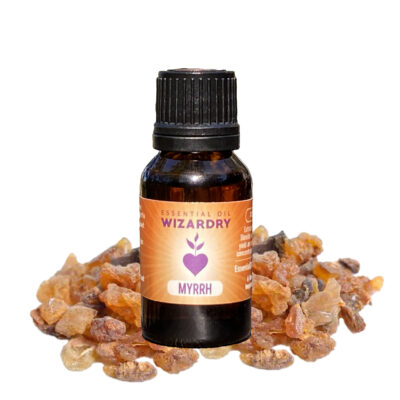
Myrrh (CO2)
Price range: $30.00 through $65.00 -
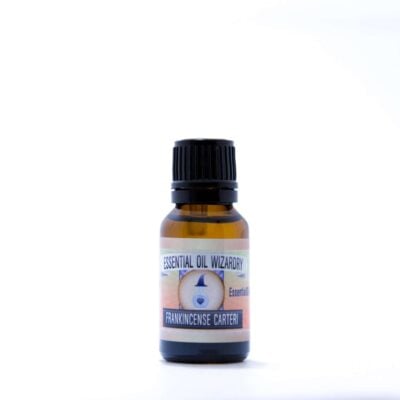
Frankincense Carterii (CO2)
$35.00
CHECK OUT OUR BLOG
Blue Lotus Extracts: A Guide To Concentrated Preparations
A guide to blue lotus concentrate in every form, from resin to tincture to absolute, with thoughtful guidance on use and dosing from Essential Oil Wizardry.
Blue Lotus Spiritual Meaning: Ancient Symbolism And Modern Use
A guide to blue lotus spiritual meaning, ancient symbolism, and modern ritual use, with plant-based wisdom and ceremonial insight from Essential Oil Wizardry.
Wild Lettuce Extract: Benefits, Uses, And What To Expect
Learn about wild lettuce extract, its traditional uses, wild lettuce dosing, and how it supports rest, with guidance from Essential Oil Wizardry.
The Ancient Resin Behind Myrrh Essential Oil Benefits
Myrrh comes from the Commiphora tree, growing in Somalia, Ethiopia, Yemen, and Oman. When the bark is cut, it exudes a resinous sap that hardens into amber-colored tears from which myrrh oil is distilled or extracted.
What Gives Myrrh Its Distinctive Aromatic Character
Myrrh’s primary aromatic compounds include curzerene, lindestrene, and beta-elemene, a terpenoid-rich profile giving it a warm, earthy, and deeply balsamic character. Unlike frankincense, which tends toward brightness, myrrh settles into the senses like a slow exhale, grounding, dense, and ancient-feeling.
Research in the Journal of Ethnopharmacology has documented myrrh’s long history across traditional medicine, noting its well-established role in wound care, oral health, and ceremonial practice. Our guide on best rare essential oils to collect places myrrh in the broader context of collector-grade aromatics.
Myrrh CO2 Extract Benefits: Why Extraction Method Matters
The extraction method shapes the quality and completeness of the final product. Steam distillation produces a clean, lighter aromatic profile but leaves behind heavier resinous constituents. CO2 extraction uses pressurized carbon dioxide to pull a fuller, richer extract, capturing compounds that distillation would miss.
Our Myrrh Oil CO2 is produced through supercritical CO2 extraction, more closely resembling the whole resin in aromatic depth. Our guide on how essential oils are extracted offers a thorough comparison of extraction methods.
Myrrh Oil For Skin: Topical Uses And Applications
Myrrh has one of the longest documented histories in traditional skin care. Its role in wound care, tissue preservation, and skin nourishment spans virtually every ancient civilization that had access to the resin, and modern research continues to validate what those traditions understood.
Skin-Supporting Properties Of Myrrh
Myrrh contains sesquiterpenes studied for effects on skin tissue, including support for skin cell regeneration and healthy barrier function. Research in the International Journal of Molecular Sciences found myrrh extract preparations demonstrated meaningful antioxidant activity, supporting aging skin and an even complexion.
Our Myrrh Oil CO2 diluted at 1 to 2% in a carrier oil can be incorporated into a daily facial ritual for skin that tends toward dryness or fine lines. It works beautifully alongside frankincense, rose, and helichrysum for a restorative evening face oil.
Myrrh Essential Oil Uses: Oral And Aromatic Applications
Beyond skin care, myrrh has a deep traditional association with oral wellness, used in preparations for gum health for centuries. Aromatically, its grounding, balsamic character makes it a natural fit for meditation, breathwork, and ceremony. Diffused with frankincense and sandalwood, it creates an atmosphere that feels settled, focused, and genuinely ancient.
Frank Myrrh Gold And Opoponax: Myrrh’s Ceremonial Companions
Myrrh does not stand alone in our ceremonial resin collection. Opoponax and Frank Myrrh Gold bring complementary dimensions to any myrrh-centered practice.
Opoponax: The Sweet Myrrh
Opoponax Essential Oil comes from Commiphora guidottii, closely related to true myrrh. Often called sweet myrrh, or bisabolol myrrh. Myrrh has a warmer, more amber-like aromatic character with a richer sweetness that makes it accessible as a standalone aromatic and easy to blend into perfumery.
Our Opoponax Essential Oil is steam distilled from ethically wildcrafted Somali resin. It works beautifully with true myrrh in a layered ceremonial blend, adding warmth that softly rounds out myrrh’s more austere depth. Our guide on absolutes vs. essential oils covers botanical extraction distinctions.
Frank Myrrh Gold: A Ceremonial Resin Pairing
Frank Myrrh Gold is our own formulation, bringing together frankincense and myrrh in a single, vibrationally enhanced preparation, enhanced with an alchemically extracted oil of gold. This pairing has a history as old as trade itself, burned in sacred contexts across the ancient Near East and East African traditions for millennia. It is one of the most ceremonial offerings in our collection.
Frankincense And Ceremonial Collections: Deepening The Practice
Myrrh’s natural partners in ceremonial practice are the frankincense species. Our collection includes several expressions that complement myrrh across different contexts.
Frankincense Sacra And Carteri: Myrrh’s Ancient Partners
Frankincense Sacra Essential Oil, distilled from Boswellia sacra resin from Oman, is widely considered the most prized frankincense variety. Its bright, slightly citrusy, resinous character creates a natural counterbalance to myrrh’s earthier density, producing an aromatic combination regarded as one of the most complete in natural perfumery and ritual.
Frankincense Carteri Extract brings a softer, more accessible frankincense character that blends well with myrrh in diffuser preparations and personal care. Our guide on blue lotus oil benefits explores another sacred botanical with deep ceremonial lineage. Our guide on kava benefits and uses offers a parallel for those interested in grounding through plant practice.
The Ceremonial Set: A Complete Ritual Collection
Our Ceremonial Set brings together our most important sacred resin offerings for those building a genuine ceremonial aromatic practice, offering a complete olfactory landscape of the resins that have accompanied human ritual for thousands of years.
Caring For Your Myrrh Collection
Myrrh CO2 and resinous extracts are among the more shelf-stable essential oil preparations, due to their resinous antioxidant constituents. Store all myrrh offerings away from heat and direct light in a cool, dark cabinet. Sometimes the Myrrh extract will harden around the lid. In this case, removing the orifice reducer can be helpful to aid with smoother pouring. Like all of our products, they are best used within 2 to 5 years of opening.
Frequently Asked Questions About Myrrh Essential Oil Benefits
What are the main benefits of myrrh essential oil?
Myrrh is valued for skin-supportive, aromatic, and ceremonial properties. Its sesquiterpene-rich profile supports skin cell regeneration and antioxidant activity, while its grounding, balsamic aroma makes it one of the most meaningful botanicals for meditation and ritual.
What are the benefits of myrrh CO2 extract compared to steam-distilled myrrh?
CO2 extraction captures a broader range of the resin’s constituents than steam distillation, producing a fuller, more complete expression. For skin care and ceremonial use where depth matters, CO2 extraction is generally considered superior.
How do I use myrrh oil for skin?
Dilute myrrh CO2 at 1 to 2% in jojoba or rosehip and apply to the face as part of an evening ritual. It pairs well with frankincense, rose, and helichrysum for a restorative facial blend.
How does myrrh differ from opoponax?
True myrrh carries a drier, more austere, medicinal-balsamic aroma. Opoponax is warmer, softer, amber-like, and more accessible as a standalone aromatic. Both come from related Commiphora species and complement each other beautifully.
What are the primary myrrh essential oil uses?
Myrrh is used aromatically for grounding and ceremony, topically for skin regeneration and antioxidant support, and traditionally in oral wellness preparations.
How should I store myrrh essential oil?
Keep myrrh CO2 and resinous extracts sealed in dark glass in a cool, dry cabinet away from heat and light. Our myrrh offerings are best used within 2 to 5 years of opening. Sometimes the Myrrh extract will harden around the lid. In this case, removing the orifice reducer can be helpful to aid with smoother pouring.
DISCLAIMER:
The information provided is intended for educational and informational purposes only and reflects historical, cultural, and experiential perspectives. It is not intended to diagnose, treat, cure, or prevent any disease, nor should it be interpreted as medical, legal, or professional advice. Individual experiences may vary. Always use personal discernment and consult a qualified professional when appropriate.
Sources:
- Nomicos, E. Y. (2007). Myrrh: Medical marvel or myth of the Magi? Holistic Nursing Practice, 21(6), 308–323.https://doi.org/10.1097/01.HNP.0000298616.32846.34
- Shen, T., Li, G. H., Wang, X. N., & Lou, H. X. (2012). The genus Commiphora: A review of its traditional uses, phytochemistry and pharmacology. Journal of Ethnopharmacology, 142(2), 319–330.https://doi.org/10.1016/j.jep.2012.05.025