


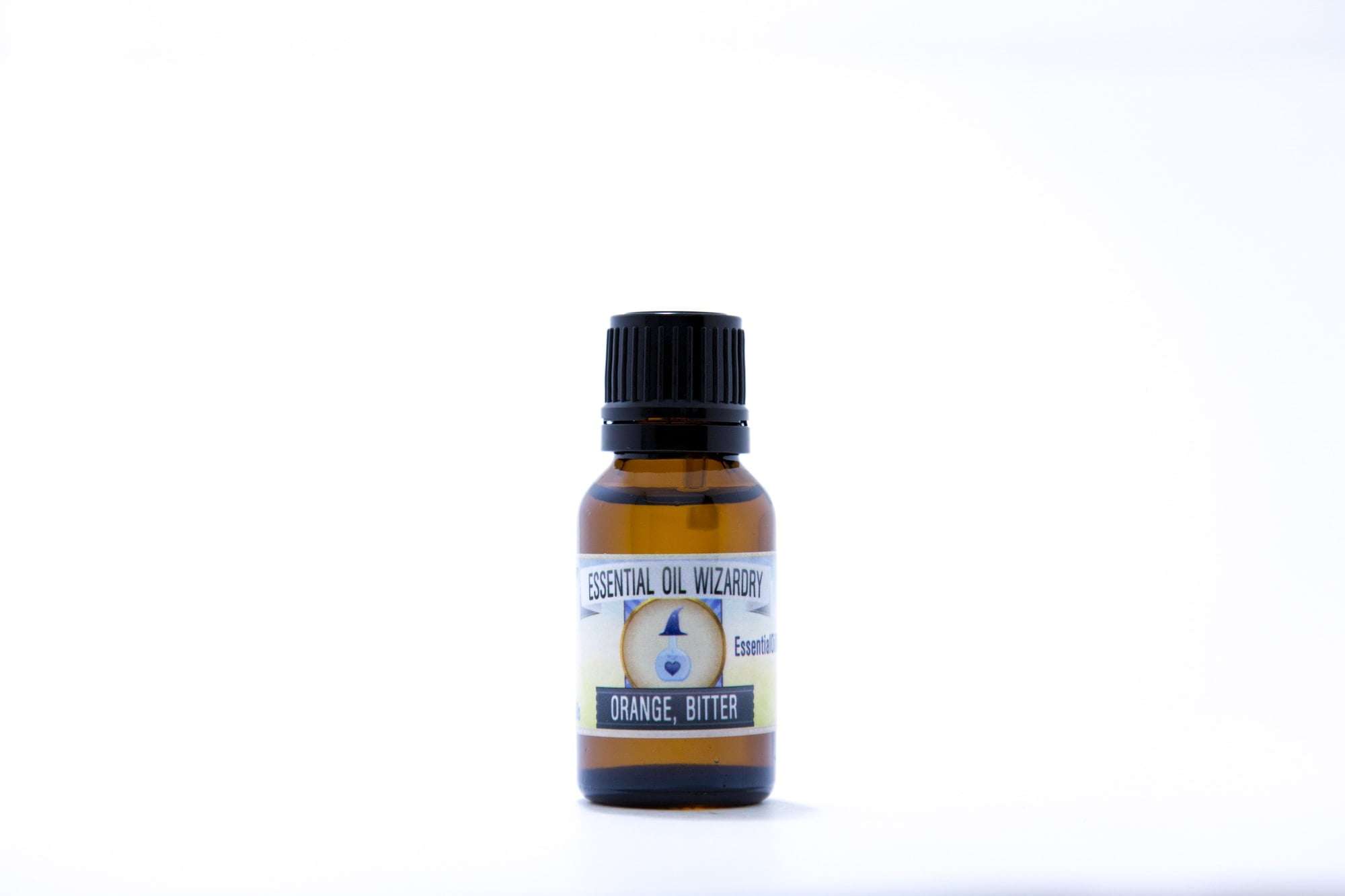
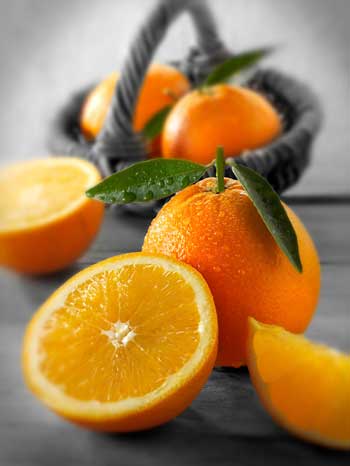
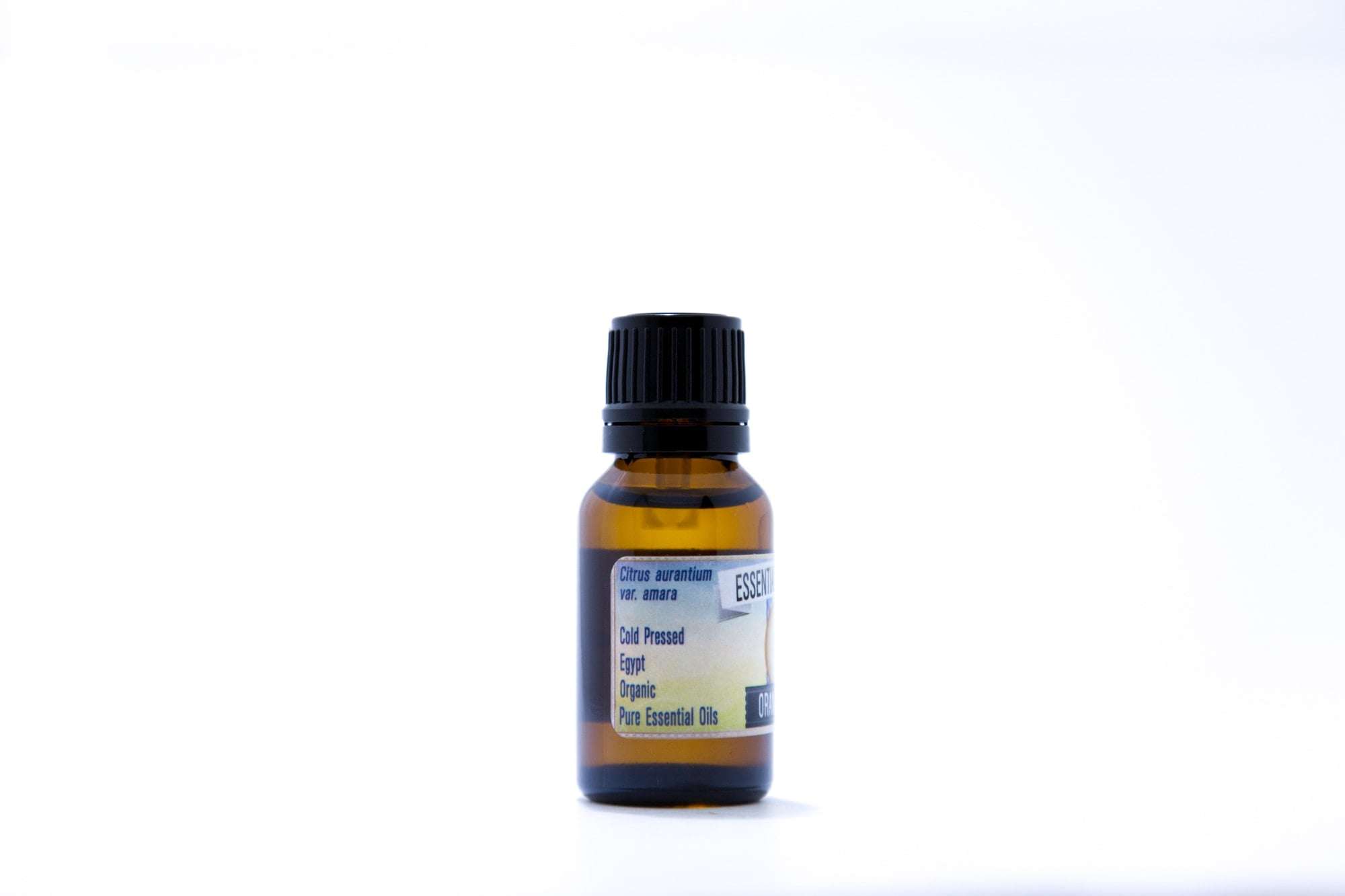
Bitter Orange
$33.00

Hidden
Featured Media
Product Description
Bitter Orange Oil (Citrus x aurantium)
Peppy citrus, bitter orange essential oil packs a bit of spice, uplifting the nose while invigorating the senses. Slightly sour in its expression ~ bright, zesty & cheery flavor; mood-elevating euphoriant, an inexpensive, must-have essence for every household.
- Antifungal (topical use)
- Antiseptic
- Digestive Balance (constipation, diarrhea, heartburn)
- Fatigue
- May reduce appetite (paradoxical appetite stimulation possible)
- Mood Enhancement
- Stimulant (relaxation also possible)
Aromatic Scent: Tart, crispy bitter orange with mild green notes, and soft sweet under tones. This oil is dominated by the crispy, dry, bitter pithy flavor & aroma profile.
How to Use
- Use aromatically in room diffuser or diluted in a spray bottle.
- Never apply topically undiluted, may cause irritation in some individuals. Stay out of sunlight for at least two hours after application or increased risk of sunburn!
- Nice additive in food/drink at appropriate dilutions. Never use more than one or two drops.
- Delicious vaporized in an Essential VAAAPP at 1 drop using standardized oil vaporization technique for approximately 3-5 seconds.
Safety Summary
Hazards: Skin sensitization if oxidized; phototoxic (low risk). Old or oxidized oils should be avoided.
Avoid applying undiluted lotions or wearing citrus oils for prolonged periods of sun exposure – serious potential phototoxicity [sunburn]
Contraindications: If applied to the skin at over maximum use level, skin must not be exposed to sunlight or sunbed rays for 12 hours.
Maximum Dermal Use Level: 1.25% (to avoid phototoxicity)
~ Adopted from Tisserand & Young, Essential Oil Safety, 2nd ed. 2013 ~
Blends Well With: Sweet Basil, Cardamom, Black Pepper, Pink Pepper, Frankincense Carterii (CO2), Rosemary, Tulsi, Ylang Ylang
Origin: Egypt
Cultivation: Organic
Extraction Method: Cold Pressed
Parts of Plant Used: Fruit Peels
Constituent Range (Lawrence 1989, p. 41, 2000b p. 46-49, Dugo et al 1999a):
( )-Limonene (89.7 - 94.7%)
β - Mycrene (1.6 - 2.4%)
Linalool (0.1 - 2.0%)
Non-volatile compounds
Bergapten (0.035 - 0.073%)
Epoxy-begamottin (0.082%)
Psoralen (0.007%)
This information was documented by Lawrence 1989, p. 41, 2000b p. 46-49, Dugo et al 1999a; SCCP 2005b published by Robert Tisserand & Rodney Young in 2013 and is posted to demonstrate some general range of chemical constituents of this essential oil. Each distillation & plant source varies and current batch will likely have some variance to the information published above. When possible, we will post current GC-MS analysis separately for our oils sold on this site, correlating with batch numbers for your enjoyment & awareness.
References
- National Center of Complementary and Alternative Medicine (NCCAM). Herbs at a glance. Bitter Orange. http://nccam.nih.gov/health/bitterorange
- Web MD. Bitter Orange. http://www.webmd.com/vitamins-supplements/ingredientmono-976-BITTER ORANGE.aspx?activeIngredientId=976HYPERLINK "http://www.webmd.com/vitamins-supplements/ingredientmono-976-BITTER ORANGE.aspx?activeIngredientId=976&activeIngredientName=BITTER ORANGE"&HYPERLINK "http://www.webmd.com/vitamins-supplements/ingredientmono-976-BITTER ORANGE.aspx?activeIngredientId=976&activeIngredientName=BITTER ORANGE"activeIngredientName=BITTER ORANGE
- Bitter Orange (Citrus aurantium). Natural Standard Database. Accessed 10/24/13
- Composition of Bitter Orange Oil. Leung’s Encyclopedia of Natural Ingredients. http://www.answers.com/topic/chemical-composition-of-lobelia#ixzz2i1HVjB3K
- Ben Hsouna A, Hamdi N, Ben Halima N, Abdelkafi S. Characterization of essential oil from Citrus aurantium L. flowers: antimicrobial and antioxidant activities. J Oleo Sci. 2013;62(10):763-72
- Sarrou E, Chatzopoulou P, Dimassi-Theriou K, Therios I. Volatile constituents and antioxidant activity of peel, flowers, and leaf oils of Citrus aurantium L. growing in Greece. Molecules. 2013 Sep 2; 18(9); 10639-47. Doi: 10.3390.molecules180910639
- Tisserand, Robert, and Rodney Young. Essential Oil Safety. Second ed. Churchhill Livingstone, 2013. Print.
Last Updated June 3rd, 2026.
Dr. Nick's Notes
Also known as sour orange or zhi shi, bitter orange has been used in Chinese medicine as a digestive aid as well as a stimulant, decongestant, and bronchodilator in other alternative medicine practices. Topically applied, it has also been used as an anti-fungal agent for ring worm, jock itch, or athlete’s foot. Stay aware with topical use (see Safety Summary below) to avoid sunlight and potential skin irritation.
Citrus x aurantium tree is native to tropical Asia and East Africa although is grown in Mediterranean regions, and parts of the US. Citrus aurantium is processed to produce three lovely essential oils, each resulting from different parts of the tree. Bitter orange oil is typically produced using a cold-press method using the peels of the bitter orange fruit. Petigrain oil is produced using the twigs and leaves of the citrus x aurantium tree ~ Neroli oil is produced from the blossoms of the citrus x aurantium tree. Most of my experience with Bitter Orange EO has come from organic, cold-pressed Egyptian fruit peels… and it’s a phenomenal product!
I enjoy using bitter orange oil as a cocktail spritzer, in huge kales or salad (single drop application). The uplifting, smiley properties are rather awesome while having applications in the social setting at larger doses. Personally I enjoy about 5-10 drops in a capsule full of fractionated coconut oil taken internally for social lubrication for the warm, fuzzy experience bitter orange oil produces. The comparison frequently is likened to a light-to-moderate dose of an entactogen without a day-after crash. The dose stated may be higher than necessary and I am unsure of this dose’s safety for other individuals, especially with regular usage. The author is not recommending this usage to others but personally appreciates this application when timing aligns.
Some successful reports for clinical applications have included suppression of appetite for patients with desire to lose weight. This oil can be used for mood elevation and should not be used when driving. Never apply this or other citrus oils before entering sunlight as an elevated risk for phototoxicity exists. Do not apply undiluted to skin & wait at least 2 hours before stepping into the sun for prolonged exposure and .
Simple uplifting citrus fragrance, add to spray bottle as an anti-microbial room freshener. Cool citrus fresh pep uplifting the nose and envigorating the senses, slightly sour in its expression, definitely pops other flavors and fragrances in a new dimension. This EO is incredible used with an Essential VAAAPP ~ for whatever reason, this is the only EO that I notice has a time latency of about 5-10 minutes before the therapeutic effects (buzziness) onset when vaporized. One drop in an empty vial, 1-3 inhalations works galactic wonders for me.
FAQs
Bitter orange essential oil comes from the rind of Citrus aurantium var. amara, a different variety of orange than the sweet oranges we eat. Bitter orange trees are also the source of neroli from the blossoms and petitgrain from the leaves, making the tree remarkably productive aromatically. The oil from the peel is brighter, more complex, and slightly more medicinal in character than sweet orange oil, with less simple sweetness and more depth. It is used extensively in perfumery, liqueur production, and aromatherapy.
Bitter orange has a bright, fresh, complex citrus aroma that is richer and more sophisticated than sweet orange. There is a distinctive bittersweet note -- the bitter quality that distinguishes this variety -- alongside a warm, slightly floral undertone and good depth. It has more of a marmalade quality than sweet orange, with a hint of the peels natural bitterness adding interesting complexity. It is one of the most versatile and widely used citrus oils in professional perfumery.
They come from the same tree Citrus aurantium but from different parts. Bitter orange peel oil is cold-pressed from the fruits rind -- it is a citrus oil, bright and fresh with a bittersweet peel character. Neroli is steam distilled from the blossoms of the same tree -- it is an intensely floral, sophisticated oil with a completely different character. Petitgrain comes from the leaves and twigs. All three are distinct oils with distinct personalities, though they share a family resemblance that makes them wonderful to blend together.
Bitter orange is uplifting and calming in aromatherapy -- it shares many of bergamots mood-brightening properties. Its used to ease stress, lift low moods, and create an energized but calming atmosphere. Like most citrus oils, its excellent for diffusing in workspaces to support focus and positive mood. Some people use it as part of a digestive support blend, applied diluted to the abdomen -- bitter orange has traditional use in supporting digestive comfort. When applied topically to the belly, avoid direct sunlight.
Yes -- bitter orange peel oil extracted by cold pressing contains furanocoumarins and should be used with the same care as other phototoxic citrus oils. Avoid applying it to skin that will be exposed to sunlight within 12 hours. As with bergamot, it is safe to use in a diffuser and in rinse-off products. For leave-on skin products, either choose a steam-distilled version which is not phototoxic, or apply only to areas that will not be sun-exposed.
Our Process
We consciously source all our ingredients from Organic, Wildcrafted and/or Unsprayed (Pesticide-free) farms & distilleries. We then enhance these premium ingredients through our unique proprietary process to bring each of our formulations into their highest expression. You can really smell, feel, sense, and experience the difference!
1 review for Bitter Orange
Related products
-
Cacao (Cocoa) CO2 Extract
Price range: $25.00 through $35.00 -
Calamus Root (CO2)
Price range: $25.00 through $55.00 -
Black Cumin Seed | Black Seed Oil (CO2)
Price range: $22.00 through $33.00 -
Angelica Root (CO2)
Price range: $55.00 through $145.00 -
Bergamot
$33.00 -
Cardamom (CO2)
Price range: $25.00 through $55.00
** The information provided on this page is intended for educational and informational purposes only and reflects historical, cultural, and experiential perspectives. This product has not been evaluated or approved by the U.S. Food and Drug Administration and is not intended to diagnose, treat, cure, or prevent any disease. Individual experiences may vary. Always use personal discernment and consult a qualified healthcare professional when appropriate, especially if you are pregnant, nursing, taking medication, or have a medical condition.
Thomas S. (Essential Oil Wizardry) –