


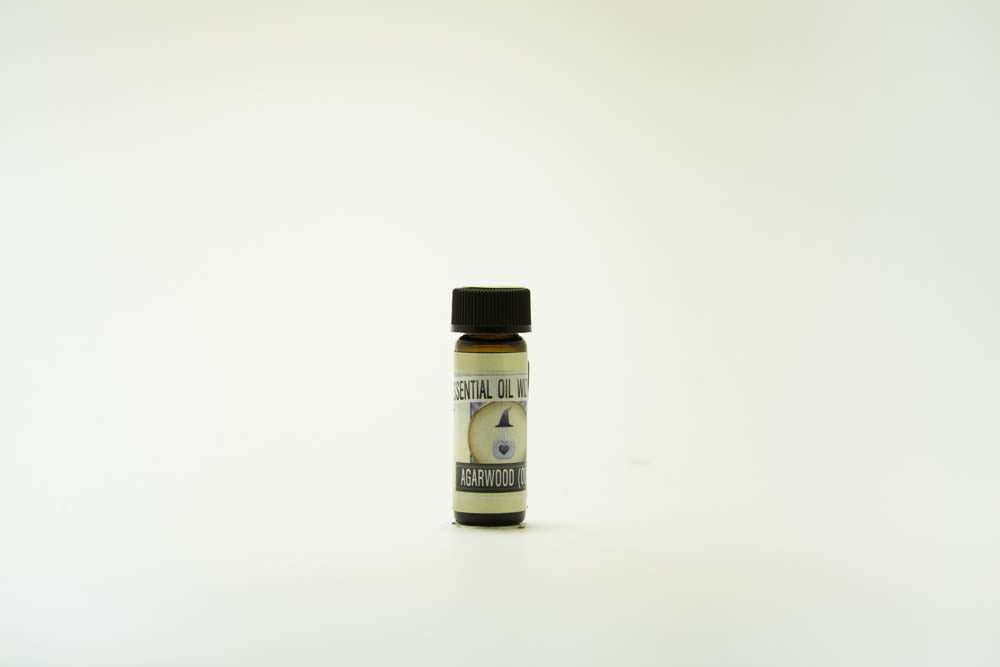
Oud (Agarwood)
Price range: $97.00 through $333.00

Hidden
Product Description
Oud Oil ~ Agarwood Essential Oil (Aquilaria sp.)
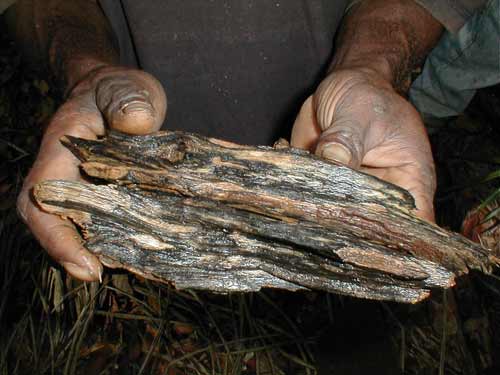
Intoxicating rare & precious botanical Agarwood essential oil and CO2 extract derived from rotting wood of the Aquilaria tree, oud oil is revered in cultures from all over the world for ritual, exquisite botanical perfumery, and use as an aphrodisiac.
- Euphoria
- Botanical Perfumery
- Aphrodisiac
- Stimulates Immune System
- Digestion Regulation
- Anti-tumor properties (lung / stomach)
- Relaxation
- Reduction of Epileptic Seizures (?)
- Urinary Health (diuretic)
- Use in Ceremony / Ritual
- Treatment for Asthma / Bronchitis
- Skin Care
Aromatic Scent: Rich and complex, sweet, warm, deep, precious and noble woody aroma, shades of smoky, amber incense and honeyed tobacco. Animalic notes of musk / castoreum.
How to Use
- Botanical perfumery and artisan product formulation - a little bit will completely elevate a formulation!
- Place bottle in hot water for increased fluidity and ease of use (esp. CO2 extract)
- Mix this flavor into your cooking! It is popular in many traditional curry recipes and some regions as an additive in wine.
- Great for massage! Integrate a soothing and sensual aroma in your healing practice by blending with a carrier oil such as Jojoba or applying small quantities directly to skin.
- Add to hot water for a cup of Oud tea!
- When using as perfume, infuse into organic alcohol or a carrier oil to make the scent last longer and more vivacious.
- Take a toothpick and massage onto the wrists - apply wrists and oud oil around the body as a botanical perfume.
Precautions
Essential oil may counter the effects or increase the potency of some medications (drug interactions). Not for use in pregnancy or during breast-feeding. Oud / Agarwood oil may be addictive 😉
Blends Well With: Amyris, Balsam of Peru, Blue Lotus Absolute, Calamus Root (CO2), Cananga, Cardamom, Carnation Absolute, Cassie Absolute, Cedar Atlas, Clary Sage, Elemi, Frankincense Sacra, Galbanum (CO2), Rose-Geranium, Jasmine Absolute, Jasmine Flexile Absolute, Magnolia, Muhuhu, Myrrh (CO2), Oakmoss Absolute, Opoponax, Patchouli, Black Pepper, Pink Pepper, Pink Lotus Absolute, Rose, Rosemary Royal Sandalwood, Silver Fir, Spikenard, Tobacco Absolute, Vanilla (CO2), Vetiver, Ylang Ylang
Cultivation: Cultivated & Wildharvested
Country of Origin: India / Cambodia / Thailand
Extraction Method: CO2 Extracted (India, Assam) & Steam Distilled (Cambodia / Thailand)
Parts of Plant Used: Wood & Oleoresin
Last Updated May 20, 2026.
Dr. Nick's Notes
Quite a unique and intoxicating consciousness gets produced when the fungal kingdom infects the Aquilaria sp. Agarwood Essential Oil or Oud Oil (aka Aloeswood, Eaglewood, Gaharu, Kiara, and Agalocha Oil) forms from the secretion of a substance called oleoresin as a protective reaction to fungal or bacterial attack in the evergreen Aquilaria tree. This highly sought after Agarwood can be burned for use in ritual or extracted into an oil through distillation or CO2 extraction.
The musty, wood-nutty scent of agarwood essential oil has been highly valued as incense and perfume for centuries. Oud oil is also powerfully medicinal and one of the most highly valued / most costly natural products in the world! It has anesthetic, sedative, antioxidant, anti-inflammatory, aphrodisiac, antimicrobial, and carminative properties. Chinese herbal formulations and Ayurveda have been using this wood for thousands of years to reduce stress, support the immune system, digestive tract and bring balance to the nervous system.
In folklore magick, agarwood essential oil is said to bring manifestation into reality through prayer and intention of burning the wood. All agarwood (oud oil) extracts are remarkably unique in diversity and there are many species of the Aquilaria tree which produce their own unique variation. This product synergizes nature’s expression with human wit using technology to produce an incredible Agarwood CO2 Extract & Oud Oil.
When it comes to rare & exotic plant essences, this may be the most sought after botanical ingredient in the world. Often times oud oil suppliers focus all their energy on sourcing the finest oud from all over the world – the world of oud is expansive and alluring. I’ve experienced close to thirty oud extracts since 2012 – each from different years, regions and extraction methods, each one offering unique characteristics!
Generally speaking, I find oud oil to be an impressive aphrodisiac that expands awareness when taken internally (ie. formulating a tincture) and adds a particular lusty, animalic vibration to all perfumes, colognes and energetic formulations. Some batches are incredibly psychotropic when vaporized, others are very grounding and centering ~ Give thanks to the uniqueness of plants!
This is a precious ingredient produced by nature and one that should be honoured and revered! I will comment that Oud Oil is NOT for everyone – sometimes the complex aroma is judged as stinky (ie. too “barnyard”, musky, etc.). Oud takes a sophisticated aromatic palette to fully appreciate it’s multi-dimensional layers and enticing allure!
FAQs
Agarwood, also known as oud or oudh, is one of the rarest and most prized aromatic materials in the world, produced from the resinous heartwood of Aquilaria trees after they become infected with a specific mold — a process that can take decades. The resulting essential oil is extraordinarily complex, warm, woody, balsamic, and slightly animalic, and has been revered for centuries in Middle Eastern, South Asian, and East Asian perfumery and ceremony. EOW sources pure agarwood essential oil from verified, sustainably managed sources.
Oud is used in high-end natural perfumery as a base note anchor, in ceremonial and spiritual practice for grounding and sacred space setting, and therapeutically for its deeply calming, centering, and meditative aromatic properties. It is one of the most used ingredients in Arabic and Islamic ceremonial fragrance traditions, often burned as incense or worn as a personal perfume oil. EOW's oud can be used neat in very small amounts for pulse point application, blended into perfume formulations, or diffused sparingly for ceremonial atmosphere.
Synthetic oud (commonly derived from iso-E super or wood fragrance compounds) attempts to approximate the aromatic profile of real agarwood but lacks the chemical complexity of the genuine oil, which contains hundreds of unique terpenes & sesquiterpene compounds including agarospirol, jinkoh-eremol, and guaiene derivatives. True agarwood essential oil evolves on the skin over time, shifting through multiple aromatic stages in a way synthetic alternatives cannot replicate. EOW carries only genuine, authentic agarwood oil — not a synthetic reconstruction.
Oud is an intensely powerful base note and should be used sparingly in blends — typically at 1–5% of a formulation depending on the desired intensity. It pairs beautifully with rose, sandalwood, frankincense, myrrh, vetiver, and authentic amber ingredients. For a classic Middle Eastern-inspired accord, EOW's agarwood blends naturally with the jasmine absolutes, royal Hawaiian sandalwood, and rose absolute available in the EOW catalog.
Oud oil comes from the heartwood of Aquilaria trees that have been infected by a specific type of mold. The tree produces a dark, fragrant resin in response to the infection — and this resin-saturated wood is what we know as agarwood. Only a small percentage of Aquilaria trees naturally develop this infection, making the raw material extremely rare. Each wood evolves aromatically unique while infected with the fungus. The extraction process is also resource-intensive, requiring significant amounts of wood to produce even a small amount of oil. Combined with high global demand, particularly from the Middle East and Asia, these factors make oud one of the most precious and costly essential oils available. The finer, more rare and exotic oud will yield the most premium pricing.
Oud has one of the most complex and distinctive scent profiles in all of natural perfumery. It's deeply woody and rich, with layers of sweetness, earthiness, musky and a subtle animalic warmth. Depending on the source and extraction method, you might pick up notes of leather, honey, tobacco, or even something slightly medicinal. The scent evolves over time on the skin, which is part of what makes it so prized in high-end fragrance. It's an oil that people tend to have strong reactions to — most find it deeply captivating once they're introduced to quality oud. Rarely, individuals find it too aromatically complex for their likely.
Wild agarwood comes from naturally infected trees found in forests, while cultivated agarwood is produced by deliberately inoculating farmed Aquilaria trees to trigger resin production. Wild oud is generally considered more complex and prized by connoisseurs, but it's increasingly rare and raises sustainability concerns. Cultivated oud has become more common as the industry has worked to meet demand while protecting wild populations. Quality cultivated oud can be excellent, though the aromatic profile may differ from wild-harvested material. Essential Oil Wizardry works with cultivated agarwood oil to sustainably protect the wild habitat. Also our cultivated agarwood sourcing provides a more consistent, aromatic product.
Oud is deeply grounding and centering, making it a powerful tool for meditation, contemplation, and emotional balance. Many aromatherapists use it to help create a sense of presence and inner stillness. It's also associated with spiritual connection — oud has been burned as incense in temples, mosques, and sacred spaces across Asia and the Middle East for centuries. In personal aromatherapy practice, even a tiny amount can transform the energy of a space and support deeper states of relaxation and focus. When used in botanical perfumery, oud provides a staying power and fixative quality that greatly enhances the combination!
They're the same thing — just different names for the same product. "Oud" (also spelled oudh) comes from the Arabic word for wood, and it's the term most commonly used in the Middle East and in the perfume industry. "Agarwood" is the English name for the resinous heartwood of the Aquilaria tree from which the oil is distilled. You might also see it called aloeswood, eaglewood, or gaharu depending on the region. Regardless of the name, it all refers to the essential oil extracted from the infected heartwood of Aquilaria species.
Oud is a base note powerhouse in natural perfumery. A little goes a very long way — even a single drop can anchor an entire blend. It pairs beautifully with other deep base notes like sandalwood, vetiver, and labdanum. For contrast, try layering it with bright florals like rose or jasmine, or with citrus top notes like bergamot for a more modern feel. Oud also works well with spices like saffron and cardamom. When blending, start with the smallest amount possible and build from there — oud has a tendency to dominate if you're not careful.
Sustainability is an important concern with oud because wild Aquilaria trees have been overharvested in many regions. Reputable suppliers work with cultivated agarwood plantations where trees are intentionally inoculated and managed, reducing pressure on wild populations. Some species of Aquilaria are listed under CITES (the Convention on International Trade in Endangered Species), which regulates their trade. When purchasing oud, it's worth asking about the sourcing — look for suppliers who can speak to where their material comes from and how it was harvested. At Essential Oil Wizardry, we supply only sustainably sourced, cultivated oud essential oil and CO2 extract.
Oud is remarkably versatile for such a powerful oil. Classic pairings include rose (the oud-rose combination is legendary in Middle Eastern perfumery), sandalwood, and frankincense. It blends beautifully with other resins like myrrh and opoponax. For a more contemporary feel, try it with bergamot, neroli, or ylang ylang. Spice notes like cardamom, saffron, and black pepper add warmth and complexity. Woody oils like cedarwood and vetiver complement its depth. The key is restraint — oud is best used as an accent or anchor rather than the dominant note in a blend.
Our Process
We consciously source all our ingredients from Organic, Wildcrafted and/or Unsprayed (Pesticide-free) farms & distilleries. We then enhance these premium ingredients through our unique proprietary process to bring each of our formulations into their highest expression. You can really smell, feel, sense, and experience the difference!
4 reviews for Oud (Agarwood)
Related products
-
#1 ~ Alchemical Wizard Membership – Essential Oil of the Month Club
$89.00 / month -
#2 ~ Apprentice Magician Membership – Essential Oil of the Month Club
$69.00 / month -
Super Immune Boost
Price range: $25.00 through $44.00 -
Throat
Price range: $25.00 through $45.00 -
Lavender
Price range: $20.00 through $45.00 -
Third Eye
Price range: $35.00 through $77.00
** The information provided on this page is intended for educational and informational purposes only and reflects historical, cultural, and experiential perspectives. This product has not been evaluated or approved by the U.S. Food and Drug Administration and is not intended to diagnose, treat, cure, or prevent any disease. Individual experiences may vary. Always use personal discernment and consult a qualified healthcare professional when appropriate, especially if you are pregnant, nursing, taking medication, or have a medical condition.
Luke –
Love this , wondering why no absolute preparation anymore, was a wonderful way to get oud
Alexandra Bujanow –
This is easily my favorite aroma. I have even gotten several dear friends to become as obsessed with it as I have and this is the only brand I buy after trying many different companies. I personally like the CO2 extracted one, and a tiny bit really goes a long way! Thanks for sourcing such as great product!
Spencer S. (Essential Oil Wizardry) –
Smells divine! Wonderful mixed with a little Frankincense.
Nick Wizard (store manager) –
Hi Darby!
This is Dr. Nick, I am the founder of Essential Oil Wizardry. Sounds like you are not a fan of Oud, at least not this batch by any means, and that the barnyard notes which are apparent in some batches of oud & may have REALLY put you off. I wish to share that my number one goal is such that you are pleased with ALL of your purchases, and the quality of our oils. With this said, I stand behind all of our products and would be happy to refund you for the cost of the oud you are unpleased with.
The outcome of your experience is really what I wish to focus on. Actually the Oud batch you received is one I cherish and I would be happy to personally receive this back, and keep for personal use – it’s a Cambodian distillation of wild wood from 2014 which my mentor sourced. I acquired 100 grams and am down to the last ounce and don’t even have a personal supply.
Can you send me back the Oud oil? I would be happy to refund you for the Oud Darby, this is no issue. My apologies that it is not for you, oud is a very unique ingredient that takes a bit of getting used to – simply it is NOT for everyone.
Darby (Essential Oil Wizardry) –
PLEASE REFUND.
I think the rotten mold smell is literally a bad batch of nastiness.😭😭😭